
digIRENA: Sustainable therapeutic success and comprehensive aftercare using a multimodal telerehabilitation platform
- contact:
- project group:
Health education and sports psychology
- status:
Completed
- startdate:
2019
- enddate:
2022
After visiting a rehabilitation centre as a result of a health impairment, patients should be able to become independent again as quickly as possible and pursue their employment. For these reasons, Deutsche Rentenversicherung offers the so-called IRENA model (= I tensified re habilitations after chsorge). After the discharge from the rehabilitation centers offered appointments, the treatment successes of the therapy are to solidify. Although this is free of charge and important for the insured for the treatment success, statistics show that the offer is often not used, especially for time and local reasons. As an alternative to the classic IRENA, a digital rehabilitation platform (CASPAR) was therefore developed. This allows the insured to carry out the exercises flexibly in time and locally with the help of a smartphone, tablet or computer. The project aimed to evaluate the effectiveness and practicality of a digital offer in the rehabilitation area and to check whether the digital measure can improve the subjective health, workability and motivation of patients.
It was shown that with the digital aftercare at least equivalent results could be achieved as with the classic aftercare. With regard to the ability to work and physical health, the results with the digital aftercare were even better. In addition, rehabilitation students achieved a larger range of training with digital aftercare. The greatest potential for optimization lies in the declining self-determined motivation, which was confirmed by the qualitative results.
Duration
2019 - 2022
Study endpoints
- Evaluation and review of the effectiveness and practicality of the rehabilitation measure digIRENA compared to the conventional rehabilitation measures IRENA and a control group
User-friendliness and applicability of the digital measure in the everyday life of rehabilitation clinics.
The aim of the project was to investigate the effectiveness of the digIRENA - digital intensified rehabilitation NA aftercare with the help of the telerehabilitation platform "Caspar" and to compare it with the classic (face-to-face) IRENA - classical Intensified RehabilitationNAchering and a control group. In this context, it was examined to what extent the development of the three groups differs in terms of ability to work, health and motivations. The test included a total of four measurement times. The first measurement time took place during the hospital stay, followed by the second and third surveys at intervals of 13 weeks. The last measurement date was a total of 43 weeks after the discharge.
Quantitative survey
The following primary criteria were used to verify the effectiveness:
- Assessment of Subjective Health (SF12)
- Working capacity (WAI)
- Motivation (BREQ-2)
Qualitative survey
Interviews with the participants and therapists were conducted to verify the practicality, usability and acceptance of the digital offer.
Project management
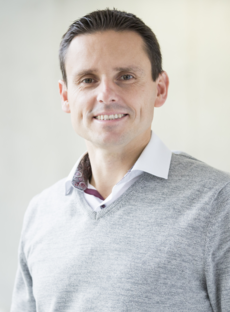
Prof. Dr. Darko Jekauc
Phone: +49 721 608 - 45725
Darko.Jekauc∂kit.edu
Academic staff
Carolin Ibelshäuser

Tel.: +49 721 608 - 45731
Carolin.Ibelshaeuser∂kit.edu
Academic staff
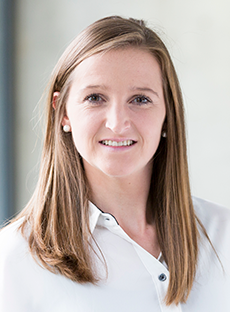
Sara Klopp
Tel.: +49 721 608 - 43230
Sara.Klopp∂kit.edu